Table of Contents
- Pin by Luis Cassani on Evolve in 2024 | Prehistoric animals, Extinct ...
- Pin en dinosaurios en 2024 | Dinosaurios, Prehistórico, Animales ...
- Pin by Eon Willemse on Lost prehistoric worlds | Prehistoric animals ...
- 「Paléontologie」おしゃれまとめの人気アイデア|Pinterest|Typhondumontier【2024】
- Pin by Lucas Davis on Paleoart in 2024 | Prehistoric animals ...
- New Dinosaur Discovery 2024 - Clo Karola
- Dinosaurs Annual 2024 Natural History Museum Claire Philip - Jarir.com KSA
- Pin von UmLalaista Qualquer auf Fotos de animais in 2024
- Realistic Dinosaur Art
- Pin by aaa1 on クイック保存 in 2024 | Dinosaur art, Prehistoric, Prehistory


The discovery of this semi-aquatic dinosaur has significant implications for our understanding of the evolution and diversity of dinosaurs during the Mesozoic Era. According to the research, this dinosaur, whose name has not been disclosed, exhibits a unique combination of terrestrial and aquatic characteristics, suggesting that it may have been adapted to living in both environments. The fossilized remains of the dinosaur, which were found in a geological formation dating back to the Cretaceous period, have sparked intense interest among the scientific community.


Key Characteristics of the Newly-Discovered Dinosaur
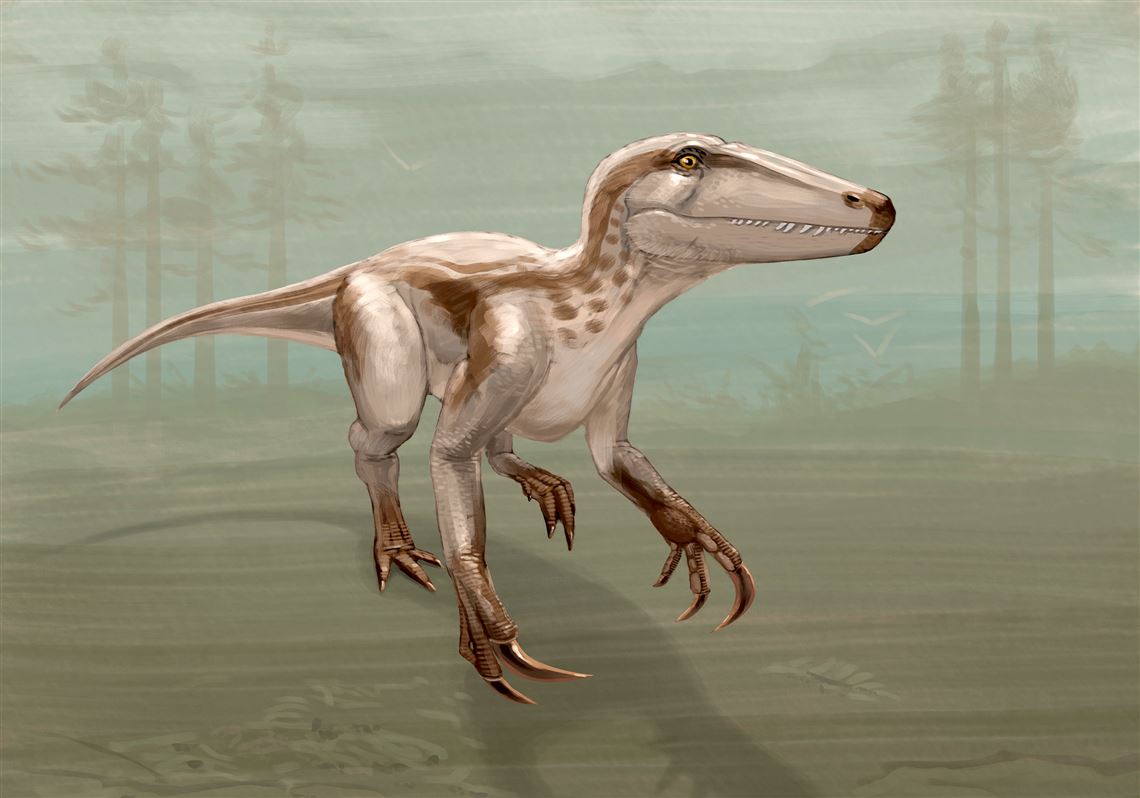
- Streamlined Body: The dinosaur's body was discovered to be remarkably streamlined, with a sleek, torpedo-shaped torso that would have enabled it to move efficiently through water.
- Paddle-Like Limbs: Its limbs were found to be modified into paddle-like structures, ideal for propulsion and maneuverability in aquatic environments.
- Webbed Feet: The presence of webbed feet further supports the theory that this dinosaur was well-adapted to life in water, allowing it to swim and dive with ease.

These remarkable adaptations suggest that the dinosaur may have spent a significant portion of its life in aquatic environments, possibly inhabiting coastal areas, rivers, or lakes. The discovery of this semi-aquatic dinosaur has significant implications for our understanding of the evolution and diversity of dinosaurs during the Mesozoic Era.


Implications of the Discovery

The discovery of this newly-uncovered dinosaur has significant implications for the field of paleontology, as it challenges our current understanding of dinosaur evolution and diversity. The finding suggests that some dinosaurs may have been more adaptable to different environments than previously thought, and that the boundaries between terrestrial and aquatic ecosystems may have been more blurred than we imagined.

Furthermore, the discovery of this semi-aquatic dinosaur opens up new avenues for research, as scientists seek to learn more about the lives and behaviors of these fascinating creatures. By studying the fossilized remains of this dinosaur, researchers can gain valuable insights into the evolution of aquatic adaptations in dinosaurs and the role that these animals played in shaping the ecosystems of the Mesozoic Era.
The discovery of this newly-uncovered dinosaur is a significant breakthrough in the field of paleontology, offering a fascinating glimpse into the lives of these prehistoric creatures. As researchers continue to study the fossilized remains of this semi-aquatic dinosaur, we can expect to learn more about the evolution and diversity of dinosaurs during the Mesozoic Era. With its unique combination of terrestrial and aquatic characteristics, this dinosaur is sure to capture the imagination of scientists and dinosaur enthusiasts alike, inspiring new generations of researchers to explore the wonders of the ancient world.